
About Neornat
RNA Therapeutics in Oncology
Gene-based therapeutics represent one of the fastest-growing sectors in the pharmaceutical industry, with RNA therapeutics playing a central and pivotal role. In particular, by enabling the targeting of complex gene regulatory networks in cancer, RNA-based approaches are emerging as a key technology for next-generation anticancer therapies.
The need for RNA therapy
- RNA therapeutics have emerged as a key platform in precision medicine-driven drug development, as they can directly modulate targets that are difficult to address with conventional small molecules or antibody-based therapies.
- Cancer, in particular, is a complex disease driven by multiple genetic alterations and dysregulated regulatory networks, making effective target-specific treatment challenging with traditional approaches.
- RNA therapeutics offer a new paradigm by overcoming these limitations and enabling direct control of disease-causing gene expression, thereby providing a fundamentally novel approach to treatment.

Advantages of RNA Therapeutics
- RNA therapeutics directly modulate disease-causing genes or mRNA, offering high target specificity and enabling access to targets that are difficult to address with antibodies or small molecules, thereby expanding opportunities for novel target discovery.
- As a platform technology, they allow scalable expansion into follow-up pipelines, accelerating the pace of drug development.
- While conventional therapies typically inhibit a single protein target, RNA therapeutics can simultaneously regulate multiple gene networks, enabling more fundamental and durable therapeutic effects.
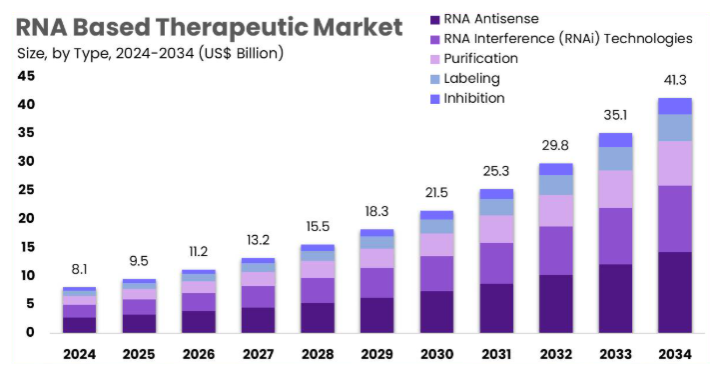
Rapid growth of the RNA therapeutics market
Oncology Market: High-Growth Pipeline
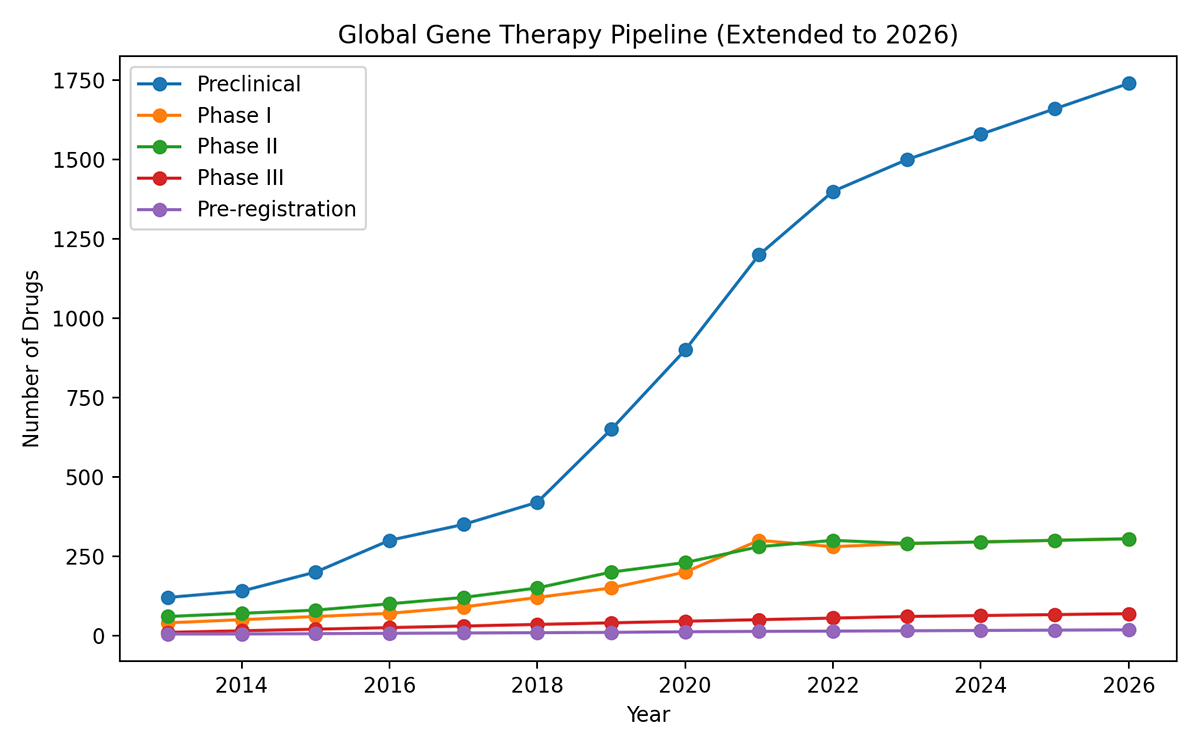
- RNA-based cancer therapeutics are still in the early stages of commercialization, but have shown the fastest acceleration in clinical advancement over the past 2-3 years.
- In particular, personalized mRNA cancer vaccines have progressed to Phase 3 in high-risk recurrent melanoma and are expanding into indications such as NSCLC, positioning them as a potential central pillar of the future RNA oncology market.
RNA Therapeutics in Metabolic disease
RNA therapeutics are gaining attention as a next-generation treatment strategy capable of modulating the underlying molecular mechanisms of metabolic diseases. In particular, for complex conditions such as MASH, they offer an innovative approach that can simultaneously regulate inflammation and fibrosis, thereby overcoming the limitations of conventional therapies.

Unmet Need for Metabolic Disease Therapeutics
- Metabolic diseases affect approximately 30% of the global adult population—over 1.5 billion people—representing a substantial disease burden and serving as an early warning signal for progression to cardiovascular and other severe conditions.
- Current treatments largely remain symptomatic, addressing individual manifestations in isolation rather than targeting the underlying disease.
- There is an urgent need for fundamental therapies that can comprehensively control complex metabolic dysfunctions at an early stage, before the disease progresses to irreversible and advanced states.
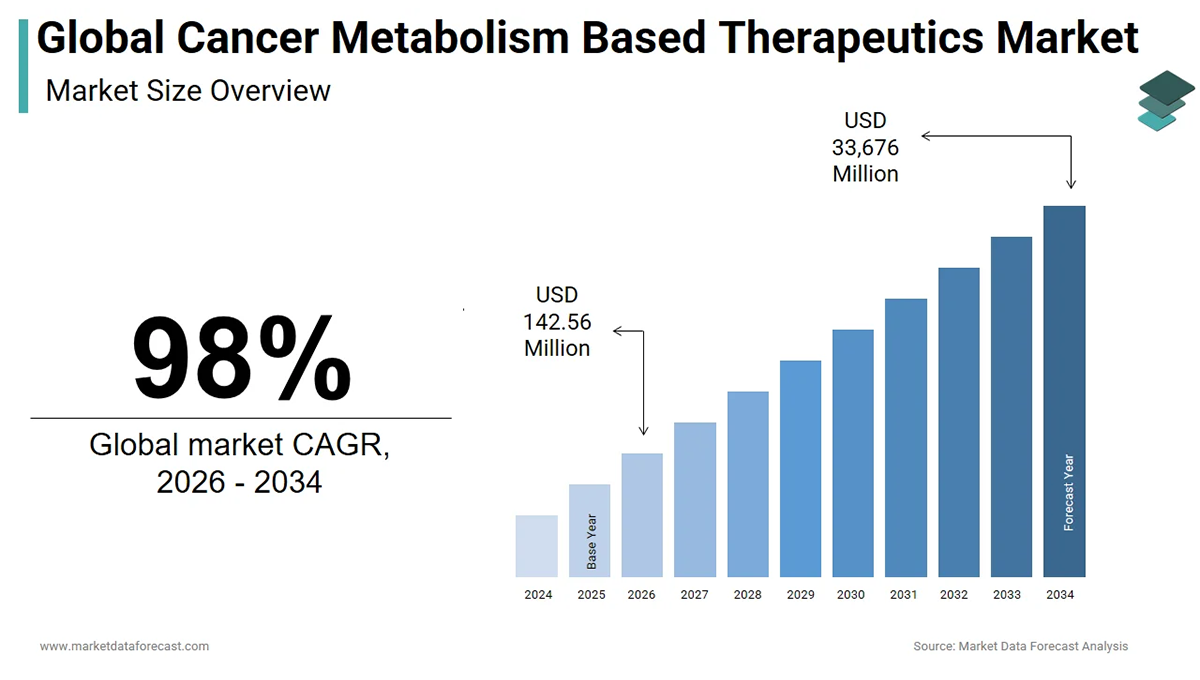
Growth of the Metabolic Disease Therapeutics Market
- The rapid rise in obesity and diabetes prevalence is driving strong compound annual growth in the metabolic disease market.
- In particular, the MASH and HCC-linked therapeutic landscape remains largely unconsolidated, with no clear dominant players, creating a significant opportunity for first-in-class innovative drug development. Such innovations hold strong potential for large-scale, early-stage global out-licensing to major pharmaceutical companies.