Technology
In vivo validation system
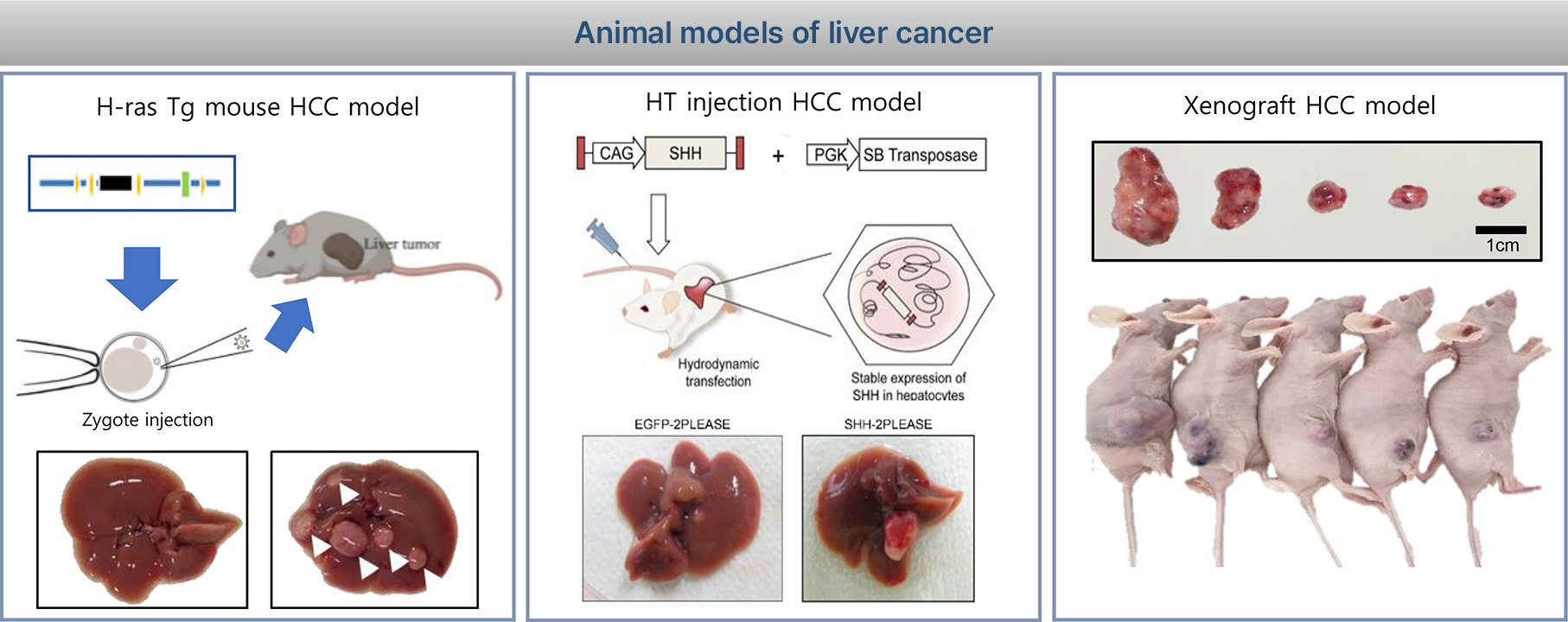
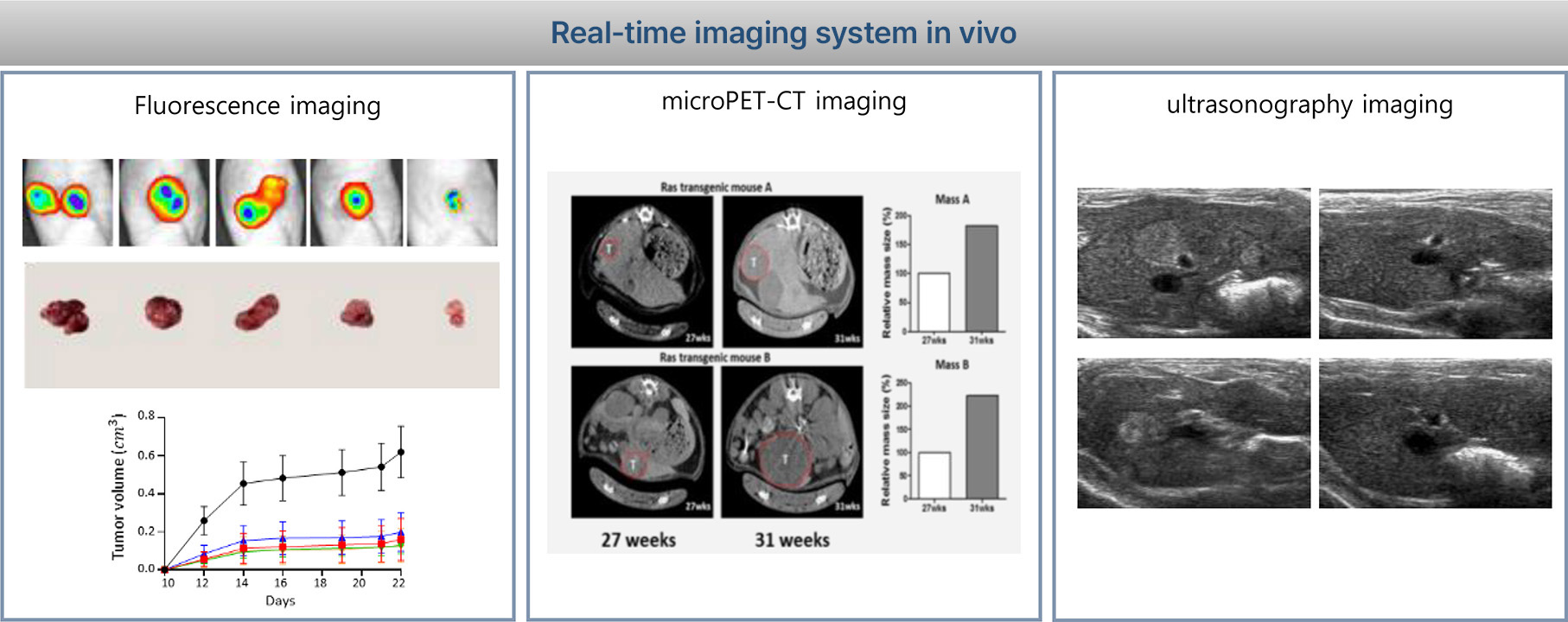
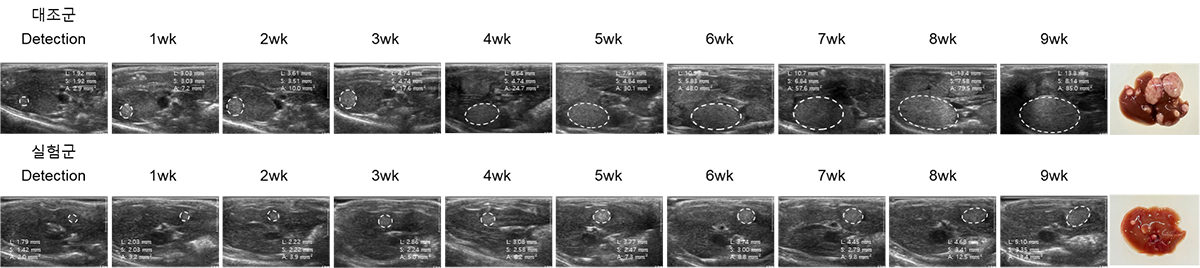
NEORNAT Inc. has established various cancer models and uses it for research and drug development. In particular, the liver cancer model is a world -class level with a system that can evaluate the effect of liver cancer with real-time without sacrificing animals.
1. Liver cancer model
The H-ras12V transgenic (Ras-Tg) mice were originally developed by Dr. Dae-Yeoul Yu (Laboratory of Human Genomics, Korea Research Institute of Bioscience and Biotechnology, Daejeon, Korea). Male mice spontaneously developed HCC beginning at approximately 10-15 weeks of age. (Journal of Hepatology 43 (2015) 836-844). The Ras-Tg mouse liver cancer model is the most similar to human liver cancer. It is a unique liver cancer in vivo evaluation system that can assess liver cancer treatment effect by diagnosing initial liver cancer around 1mm using ultra-sonography and evaluating the effect of liver cancer with drug administration.

2. Metabolic dysfunction-associated steatohepatitis (MASH) model
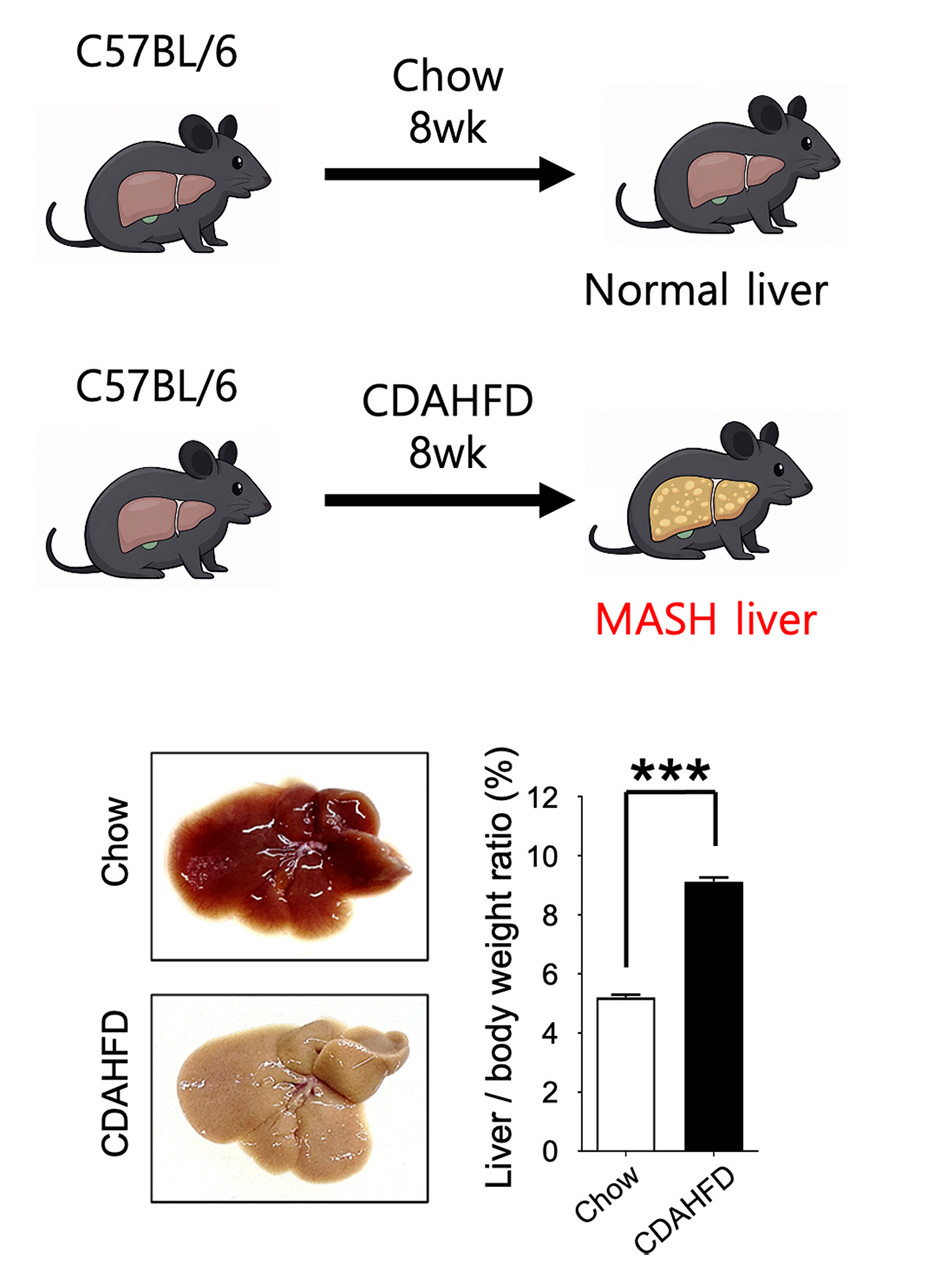
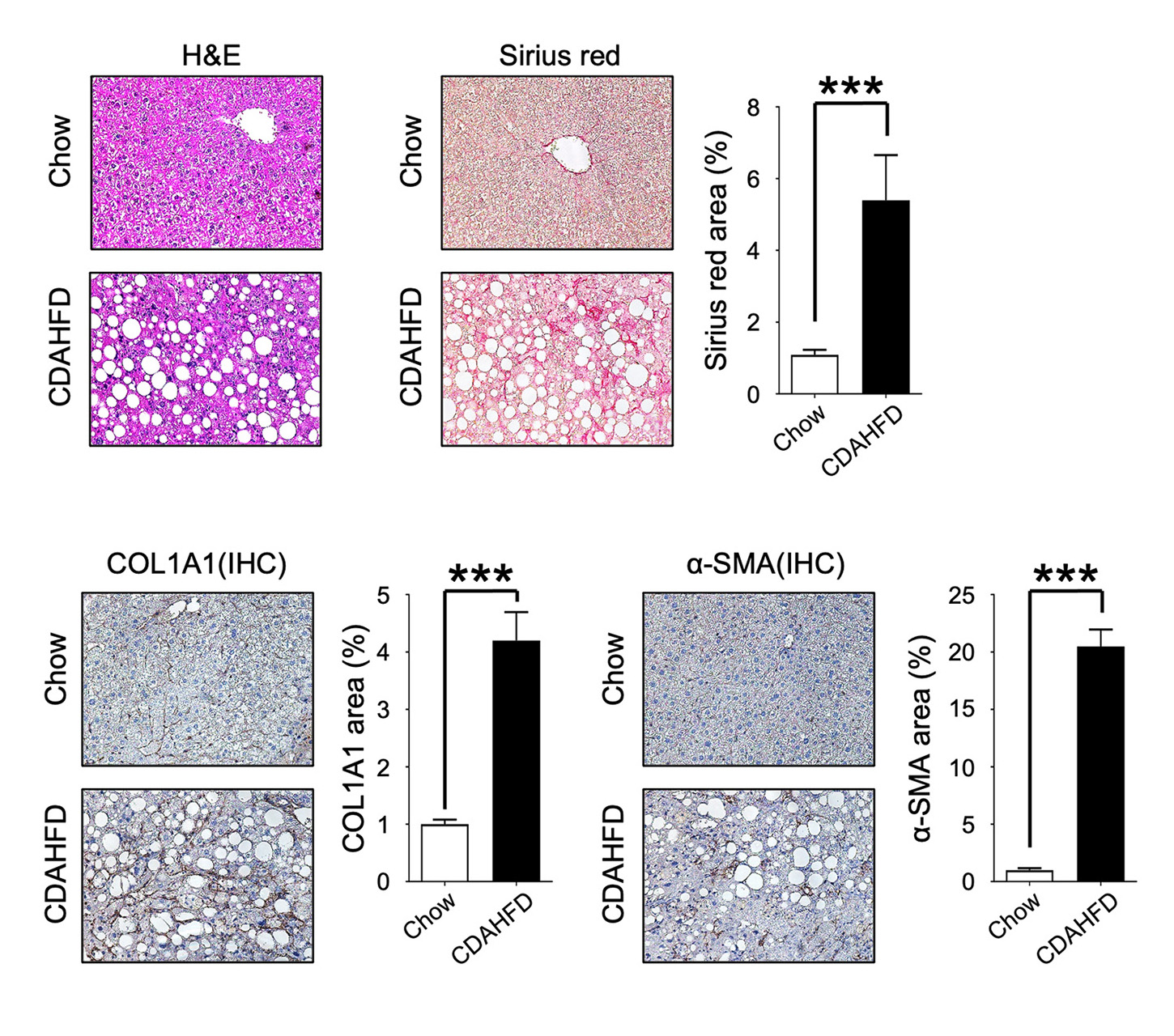
To establish a MASH animal model, we utilize a CDAHFD (choline-deficient, L-amino acid-defined, high-fat diet). Following 8 weeks of feeding in C57BL/6 mice, we observed an increased liver-to-body weight ratio. Histological analyses revealed hallmark features of MASH, including hepatocellular ballooning assessed by H&E staining, increased fibrosis detected by Sirius Red staining, and clear progression of fibrosis confirmed by IHC markers (COL1A1 and α-SMA). These results validate that our model faithfully recapitulates the key pathological characteristics of MASH. Based on this established model, we are evaluating the therapeutic efficacy of candidate compounds for MASH treatment.
3. Lung cancer model
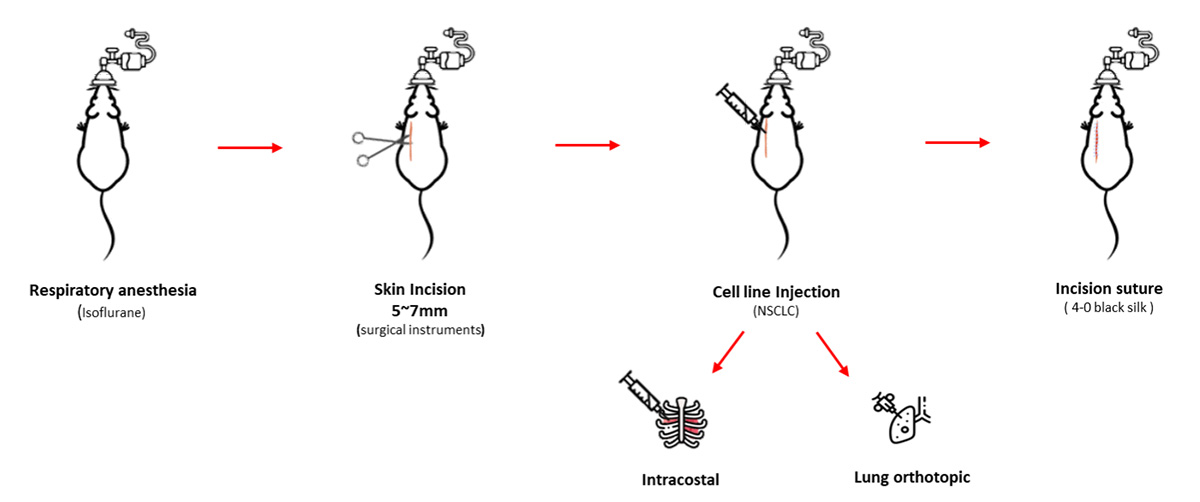
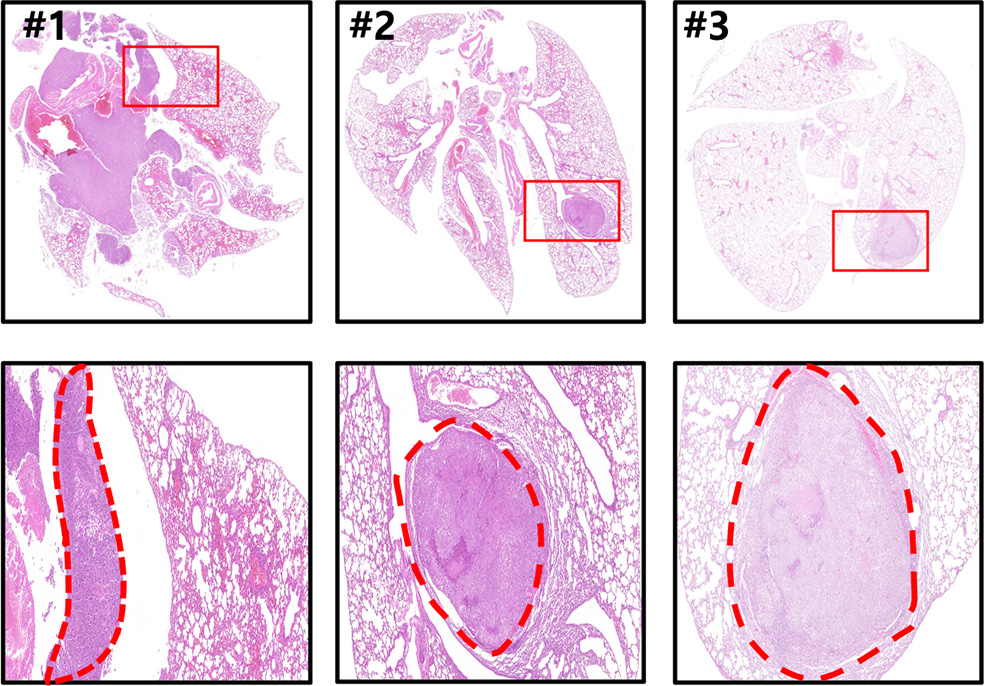
The established animal lung cancer model induces human lung cancer in the mouse lung by injecting a human lung cancer cell line to athymic nude mice into the tail vein. In contrast with the xenograft cancer animal model, it is possible to directly develop human cancer in the mouse lung to evaluate the therapeutic and tissue delivery effects of RNA drugs in lung cancer.
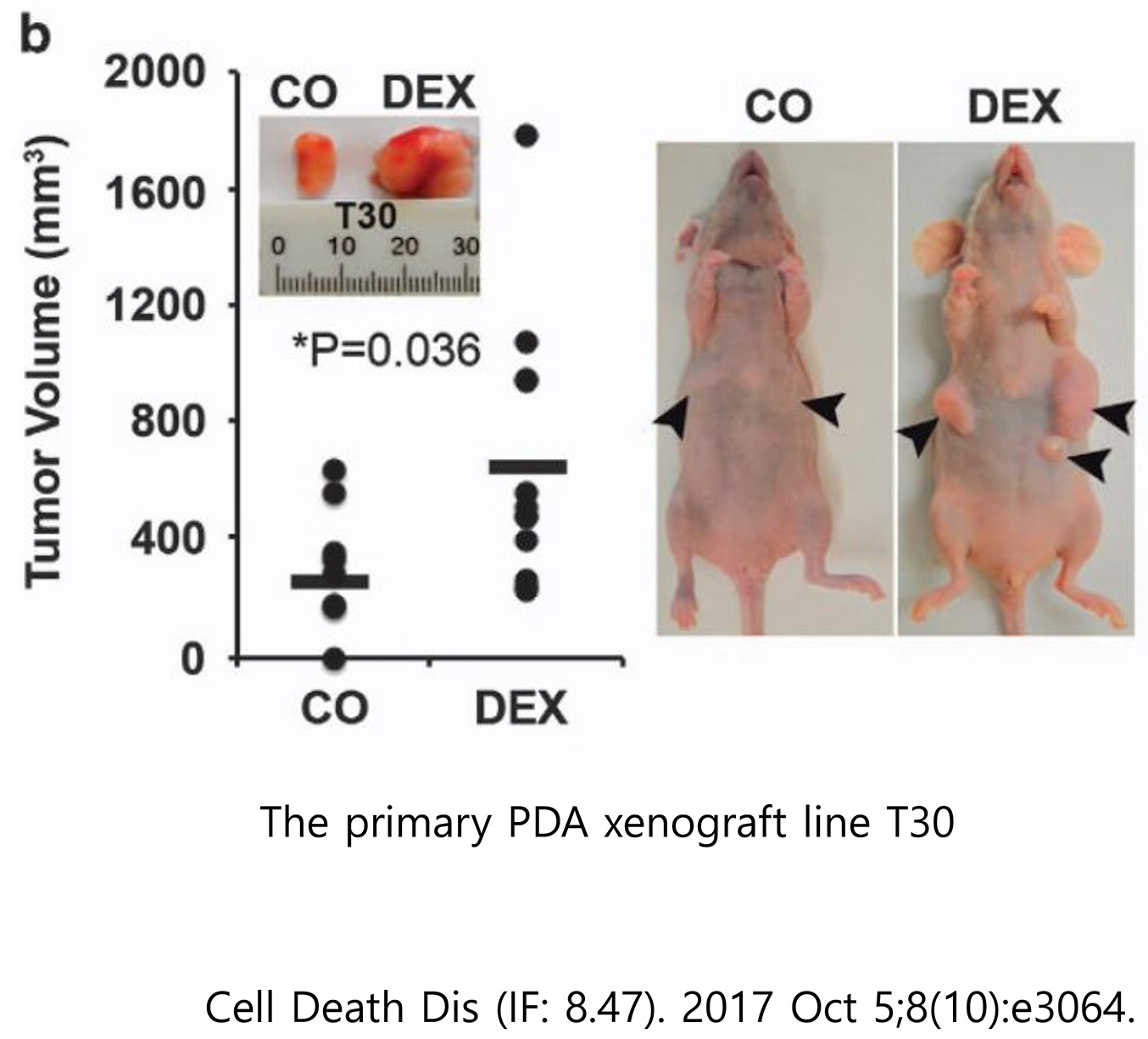
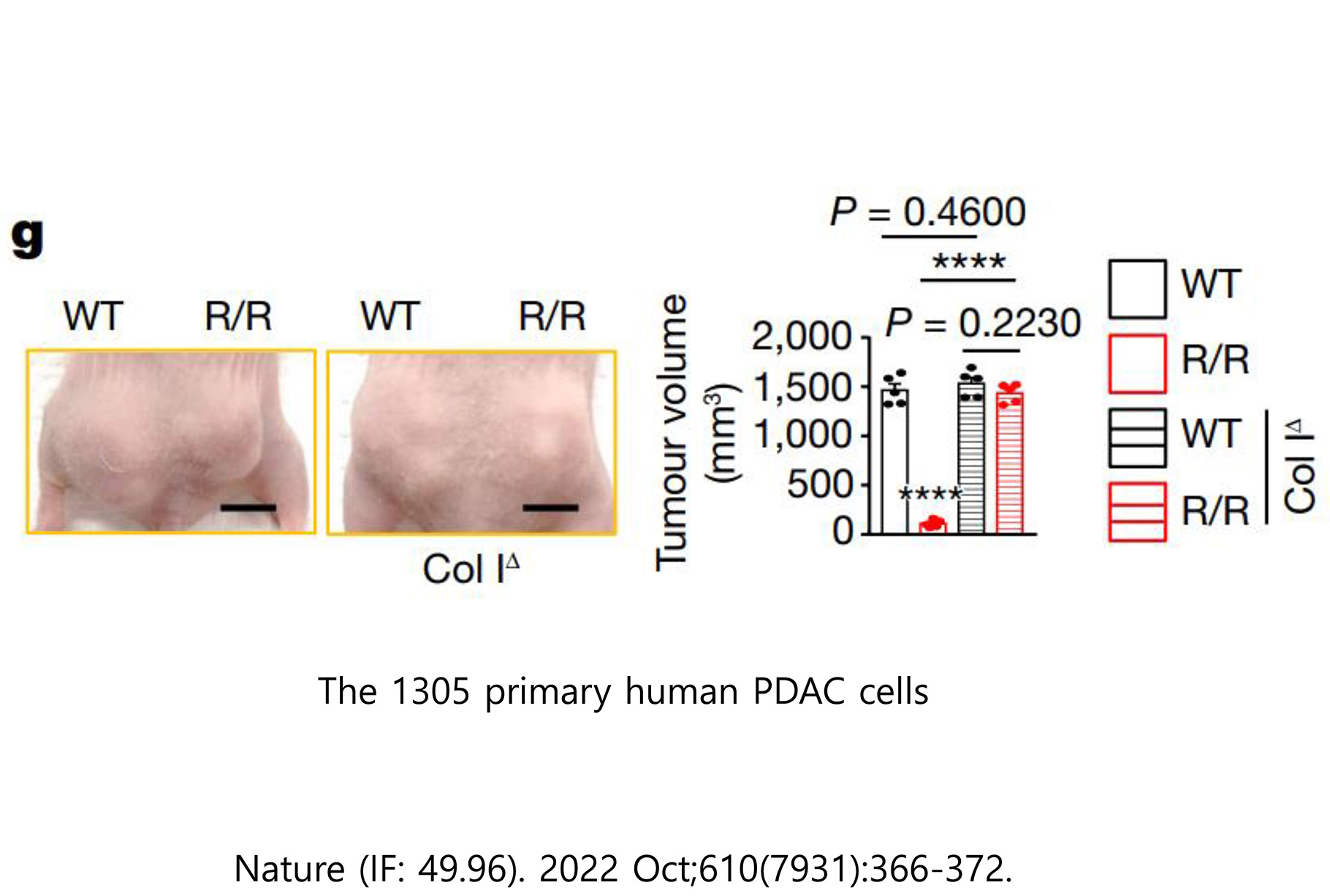
4. Pancreatic cancer model
The pancreatic cancer animal model uses a xenograft animal model of subcutaneous transplantation of human pancreatic cancer cell lines into athymic nude mice.